Saw palmetto is one of the most widely used botanical supplements in men's health. It's also one of the most-studied — with dozens of clinical trials, multiple Cochrane reviews, and enough conflicting headlines to give any careful reader whiplash.
So does it actually do anything? The honest answer is: yes, for some men, in specific ways, over specific timelines. Let's walk through what the research actually shows.
1. Origin: What Is Saw Palmetto?
Saw palmetto (Serenoa repens) is a small palm tree native to the southeastern United States, especially Florida. Its dark berries have been used in traditional medicine by Native American communities for centuries — long before modern urology existed.
By the early 1900s, saw palmetto berry extracts had made their way into European pharmacies. Today, it's one of the most widely prescribed botanical treatments for urinary symptoms in men in Germany, France, and Italy, where standardized extracts are formally recognized by regulatory bodies.
2. How Saw Palmetto Is Thought to Work
The exact mechanism is still being studied, but current understanding points to several pathways working together:
- Modulation of hormonal activity in prostate tissue. Saw palmetto is thought to influence local activity of the enzyme 5-alpha reductase, which converts testosterone to dihydrotestosterone (DHT). Elevated tissue DHT is a driver of age-related prostate enlargement.
- Anti-inflammatory activity. Extracts contain fatty acids and phytosterols with mild anti-inflammatory effects on prostate tissue, which may explain some of the comfort benefits reported by users.
- Alpha-adrenergic receptor effects. Some research suggests saw palmetto extracts may have a mild effect on smooth muscle relaxation in the prostate and bladder neck — the same mechanism that alpha-blocker medications target more forcefully.
None of these effects are as strong or as fast as prescription medication. Saw palmetto is a gentler, cumulative approach — one that suits men with milder symptoms who prefer to try something less pharmaceutical first.
3. What the Clinical Research Actually Shows
This is where the honest conversation happens. Two large, well-designed US trials — the STEP trial (2006) and the CAMUS trial (2011) — showed that saw palmetto performed no better than placebo at their tested doses in men with moderate BPH symptoms. These trials were widely covered in the mainstream press and led to a lot of "saw palmetto doesn't work" headlines.
But that's not the whole picture. Several important nuances:
- European trials using different extracts have shown positive results. Multiple studies of a specific hexane extract (Permixon®) in Europe have shown meaningful improvements in symptom scores versus placebo, and comparable effects to some prescription medications.
- The type of extract matters. Not all saw palmetto is equal. Extraction method (CO2 vs hexane vs ethanol), standardization percentage, and fatty acid profile vary widely between products.
- The population matters. Men with mild-to-moderate symptoms tend to see more benefit than men with severe BPH, who often need pharmaceutical treatment.
- Timelines are longer than trials often measured. Traditional herbal use recommends 6+ months of consistent intake. Many trials tested shorter windows.
The 2012 Cochrane systematic review — probably the most rigorous meta-analysis available — concluded that saw palmetto did not significantly improve urinary flow measures compared to placebo. But it also noted that the extract was consistently well-tolerated and safe, with no significant increase in adverse events versus placebo across trials.
My honest read as a urologist: saw palmetto isn't a replacement for prescription BPH treatment in men with significant symptoms. But for men with mild urinary changes who want gentle daily support, the safety profile is excellent and a meaningful percentage report subjective benefit.
4. Dosing and Timelines
Most clinical studies have used 320mg per day of a standardized saw palmetto berry extract, taken either as a single daily dose or split into 160mg twice a day. Extracts are typically standardized to 85–95% fatty acids and sterols.
A few practical points on dosing:
- Take with a meal that contains some fat — saw palmetto's active compounds are fat-soluble and absorption improves with dietary fat.
- Give it time. Peer-reviewed trials that showed benefit typically ran 8 to 24 weeks. Expecting results in two weeks isn't realistic.
- Consistency beats intensity. Taking 320mg every day for three months is more useful than taking 640mg for two weeks.
5. Safety and Side Effects
Saw palmetto has one of the strongest safety profiles of any commonly used botanical for men's health. Across dozens of trials, the incidence of side effects is comparable to placebo. When they occur, side effects are typically mild:
- Occasional stomach upset (usually resolves when taken with food)
- Mild headache in a small percentage of users
- Rare reports of decreased libido at high doses
There are a few situations where saw palmetto deserves caution:
- Blood-thinning medication. Saw palmetto may have mild antiplatelet effects. Talk to your prescriber if you're on warfarin, apixaban, or similar medications.
- Upcoming surgery. Stop saw palmetto at least two weeks before scheduled surgery, or per your surgeon's guidance.
- PSA testing. Saw palmetto's exact effect on PSA readings is debated in the literature. Let your urologist know you're taking it before any PSA blood draw.
- Prostate cancer history. If you have a personal history of prostate cancer, discuss any supplement use with your oncologist.
6. How Saw Palmetto Fits Into Modern Formulas
Most modern bladder support formulas — including Urovance — don't rely on saw palmetto alone. That's deliberate. The current thinking in men's urinary wellness is that multiple gentle pathways working together tend to produce better real-world results than any single ingredient at high dose.
In the Urovance formula, saw palmetto works alongside:
- Pumpkin seed extract for bladder muscle tone
- Pygeum africanum for complementary prostate support
- Nettle leaf extract for urinary flow support
- Cranberry proanthocyanidins for urinary tract cleanliness
- BioPerine® black pepper extract for enhanced absorption
- Zinc and selenium for antioxidant defense in urinary tissues
This coordinated approach — sometimes called polybotanical formulation — is what most integrative urologists now favor over single-ingredient products.
Standardized Saw Palmetto — Plus Eight More
Urovance includes saw palmetto as part of a nine-ingredient bladder wellness formula. One capsule daily. Made in a US GMP-certified facility. 60-day guarantee.
See Packages →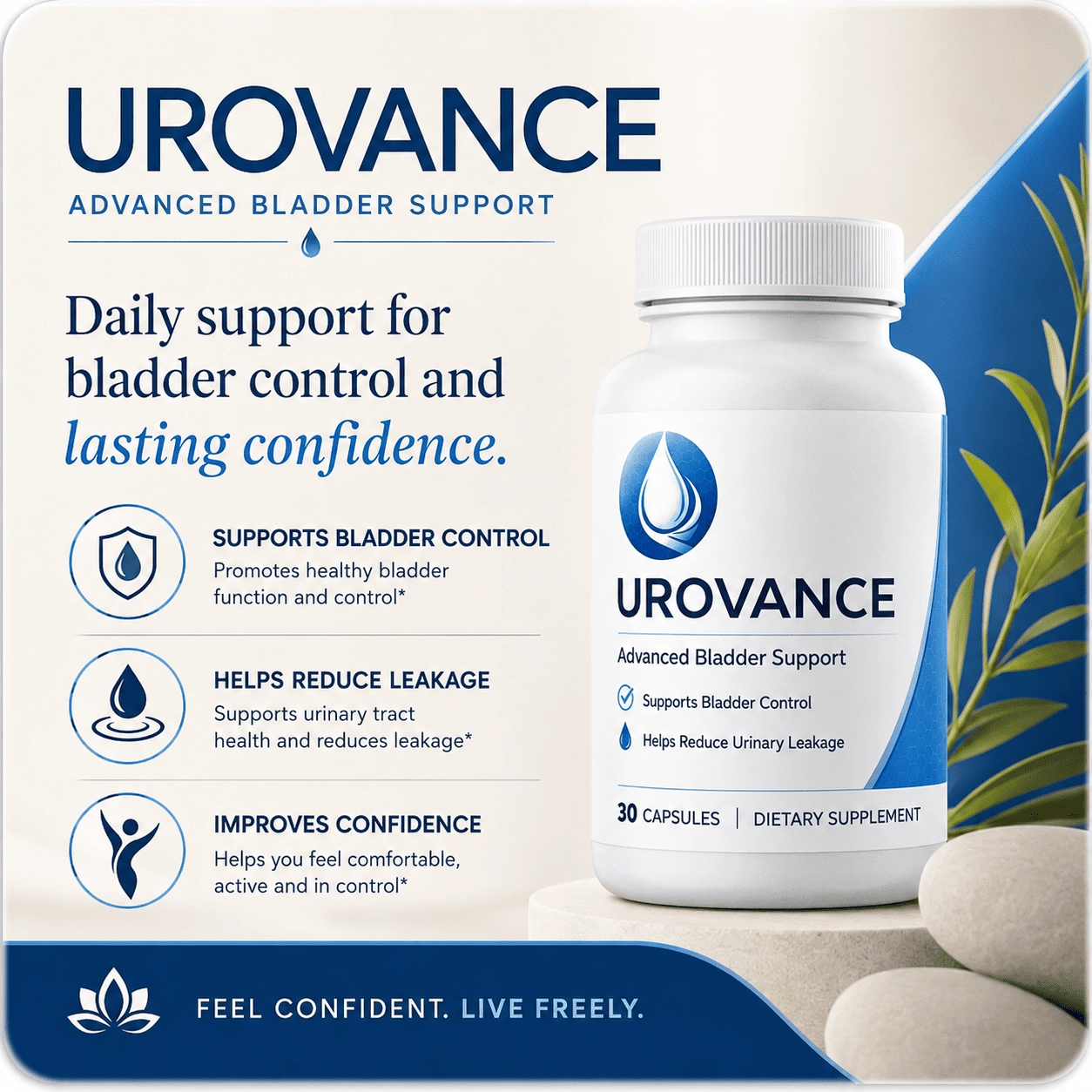
7. Common Questions
Can I take saw palmetto with finasteride or dutasteride?
Both act on similar pathways (5-alpha reductase). Combining them is not clearly beneficial and could theoretically compound effects on PSA readings. Ask your prescribing physician before combining.
Is saw palmetto good for hair loss?
Some men and women use saw palmetto for pattern hair loss based on the same DHT-modulating theory. The evidence is weaker than for urinary symptoms but generally positive in small trials. This article focuses on urinary/prostate use.
Should I use saw palmetto alone or as part of a formula?
For men with clear, isolated symptoms and no other concerns, single-ingredient saw palmetto at a standardized dose is a reasonable starting point. For men who want broader daily bladder and prostate wellness support, a well-formulated multi-ingredient product like Urovance typically makes more sense.
How long before I know if it's working?
Give any saw palmetto product at least 8 to 12 weeks of consistent daily use before deciding whether it's helping you. If you see no change after four months, it's reasonable to consider other approaches.
References
- Tacklind, J., et al. "Serenoa repens for benign prostatic hyperplasia." Cochrane Database of Systematic Reviews. PMID: 22194460
- Barry, M.J., et al. "Effect of increasing doses of saw palmetto extract on lower urinary tract symptoms (CAMUS trial)." JAMA. PMID: 21990298
- Bent, S., et al. "Saw palmetto for benign prostatic hyperplasia (STEP trial)." New England Journal of Medicine. PMID: 16467543
- Debruyne, F., et al. "Comparison of Permixon and tamsulosin (PERMAL study)." European Urology. PMID: 12074791